


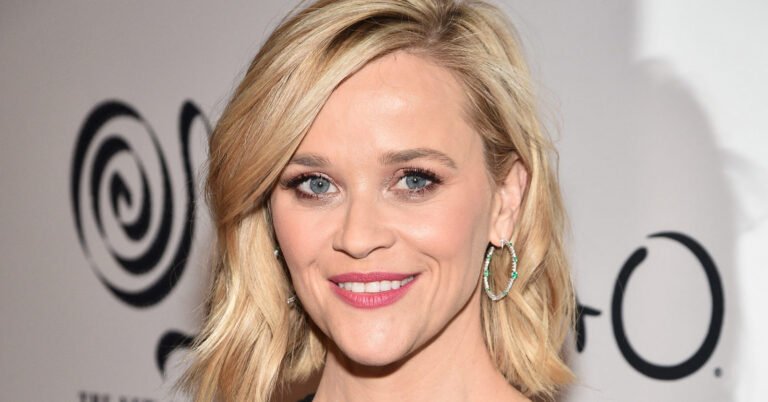
In today’s world, the word celebrity carries a weight far beyond its dictionary definition. A celebrity is someone who is widely recognized, admired, and often followed by millions of people — not just for their talents, but for their personalities, lifestyles, and influence. From movie stars to social media influencers, the concept of celebrity has evolved dramatically over the years, shaped by technology, culture, and human fascination with fame.
The Evolution of Celebrity
The idea of celebrity isn’t new. Ancient civilizations celebrated warriors, poets, and leaders as heroes. In ancient Rome, gladiators were treated like stars. During the Renaissance, painters, composers, and philosophers gained fame through their genius.
However, the modern celebrity as we know it emerged in the 20th century with the rise of film, television, and music. The invention of the camera turned ordinary people into icons. Silent film stars like Charlie Chaplin and later figures such as Marilyn Monroe and Elvis Presley defined global stardom.
Fast forward to the 21st century, and fame has become democratized. Anyone with a smartphone and an internet connection can become famous overnight. Social media platforms like Instagram, TikTok, and YouTube have turned everyday people into digital celebrities — influencers who command huge followings and often rival traditional stars in popularity.
Why Are People So Fascinated with Celebrities?
The fascination with celebrities is deeply psychological. People are drawn to success stories and aspire to the lifestyles that stars represent. Celebrities often embody beauty, talent, and charisma — traits that society admires and desires.
Moreover, in a world where entertainment and information are available 24/7, fans feel closer to their favorite stars than ever before. Social media allows for direct communication — fans can comment, share, and even receive replies. This connection creates an illusion of intimacy that fuels admiration and loyalty.
However, this obsession can have downsides. The constant scrutiny and pressure to maintain an image can take a toll on celebrities’ mental health. The public, too, sometimes forgets that behind the fame and fortune are real people with emotions and vulnerabilities.
The Business of Being Famous
Being a celebrity today is not just about talent — it’s about branding. Fame has become an industry. Stars hire publicists, social media managers, and stylists to maintain their image. Every post, appearance, or interview is strategically designed to strengthen their public persona.
Endorsements and collaborations are a major source of income. A single Instagram post from a top influencer can earn thousands or even millions of dollars. Musicians launch clothing lines, actors produce their own films, and athletes build empires through sponsorships. Fame is no longer just a byproduct of success — it’s a business model in itself.
The Dark Side of Celebrity Culture
While fame brings wealth and influence, it also comes with challenges. Constant media attention means a lack of privacy. Every move a celebrity makes can be photographed, analyzed, and criticized online. Social media can magnify mistakes, turning minor missteps into scandals.
Many celebrities struggle with anxiety, depression, or burnout due to the pressures of fame. The tragic losses of stars like Robin Williams and Amy Winehouse remind us that success doesn’t always guarantee happiness.
There’s also the issue of unrealistic beauty and lifestyle standards. Social media often presents an edited version of reality, making fans feel inadequate or pressured to imitate a lifestyle that may not be authentic.
How Social Media Redefined Fame
Before social media, celebrities were distant figures — you’d see them on TV or read about them in magazines. Today, fans can engage with stars in real time. This shift has blurred the line between celebrity and audience.
Platforms like TikTok and Instagram have created a new class of fame: influencers. These individuals gain followers by sharing relatable, entertaining, or inspiring content. What makes them appealing is authenticity — people connect more with influencers who seem real and approachable than with traditional stars who feel distant.
At the same time, virality has made fame unpredictable. Someone can become famous overnight from a single video, meme, or tweet — but staying famous requires consistency, creativity, and adaptability.
The Future of Celebrity
As technology continues to evolve, so will the concept of celebrity. Virtual influencers, AI-generated personas, and digital avatars are already entering the spotlight. Fame may no longer belong exclusively to humans.
Yet, one thing will remain constant: the human desire to admire, follow, and connect. Celebrities — whether on a big screen, a smartphone, or a virtual platform — will always reflect society’s values, dreams, and insecurities.
FAQs About Celebrities
1. What makes someone a celebrity?
A celebrity is typically someone who gains widespread public recognition through their work, achievements, or personality. They may be actors, musicians, athletes, influencers, or even entrepreneurs.
2. How do social media influencers become celebrities?
Influencers become celebrities by building large online followings through engaging content. Their relatability and constant interaction with fans make them modern-day stars.
3. Is being famous the same as being successful?
Not always. While fame can bring opportunities, true success depends on one’s achievements, happiness, and personal fulfillment — not just public recognition.
4. Why do people follow celebrity gossip?
People are naturally curious about others, especially those living seemingly extraordinary lives. Celebrity gossip offers entertainment, escapism, and sometimes a sense of connection.
5. Can fame have negative effects?
Yes. Constant public scrutiny, loss of privacy, and pressure to maintain an image can lead to stress, anxiety, or depression among celebrities.
6. Who are examples of modern-day celebrities?
Examples include Taylor Swift, Cristiano Ronaldo, Kim Kardashian, and social media figures like Charli D’Amelio or MrBeast — all influential in different industries.
Final Thoughts
The concept of celebrity continues to evolve with every generation. From movie stars to digital influencers, fame reflects the values and technologies of the times. While it can be dazzling, it’s important to remember that celebrities are people — shaped by the same hopes, struggles, and emotions as everyone else.
In the end, the fascination with fame isn’t just about them — it’s about us, and what we admire most in the human experience.
