


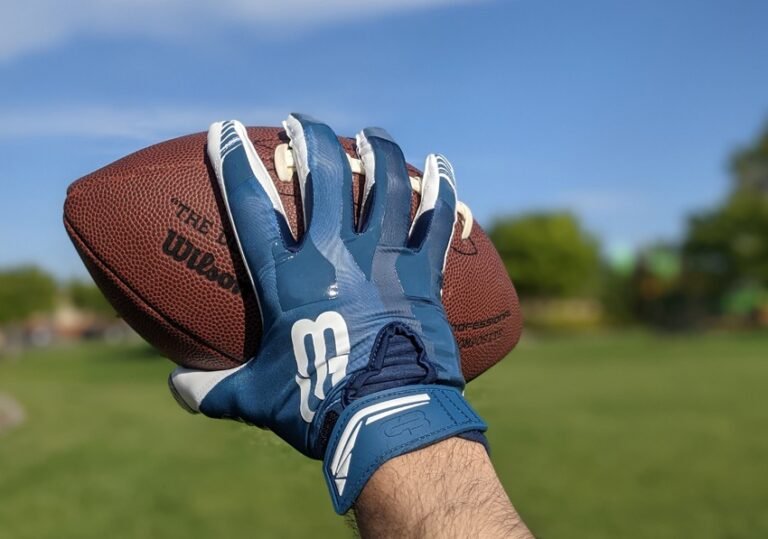
Football gloves have evolved from a simple accessory into an essential piece of equipment for players at every level of the game. Whether you are a beginner learning how to catch properly or an experienced athlete competing in high-intensity matches, football gloves can greatly influence your performance. Designed to improve grip, protect hands, and increase confidence, the right pair of gloves can make a real difference on the field.
What Are Football Gloves?
Football gloves are specially engineered gloves worn by players to enhance ball control and hand protection. Unlike regular gloves, football gloves use advanced materials that provide flexibility, breathability, and superior grip. Most modern gloves feature tacky or sticky palms that help players catch and hold onto the ball more securely, even during fast-paced plays or challenging weather conditions.
Why Football Gloves Matter
One of the biggest challenges in football is maintaining control of the ball. Passes travel at high speeds, defenders apply pressure, and weather conditions can change suddenly. Football gloves help players maintain a strong grip, reducing dropped passes and fumbles. This is especially important for positions like wide receivers, defensive backs, and running backs who handle the ball frequently.
In addition to grip, football gloves provide protection. Hands are exposed to constant contact, collisions, and rough surfaces like artificial turf. Gloves help prevent cuts, turf burns, blisters, and minor injuries. For linemen, gloves with added padding protect the hands and fingers during blocking and physical contact in the trenches.
Different Types of Football Gloves
Football gloves are designed with specific positions and needs in mind. Choosing the right type can improve both comfort and effectiveness.
Receiver Gloves
Receiver gloves are lightweight and flexible, featuring extra-sticky palms for maximum grip. They are ideal for wide receivers, cornerbacks, safeties, and running backs who rely heavily on catching and ball handling.
Lineman Gloves
Lineman gloves are built for durability and protection. They are thicker, often padded on the back of the hand and fingers, and designed to withstand repeated contact. While grip is still important, protection and strength are the main priorities.
Quarterback Gloves
Quarterbacks often prefer gloves that balance grip and feel. Some quarterbacks wear a glove on their non-throwing hand only, especially in cold or rainy conditions, to maintain control without sacrificing throwing accuracy.
Youth Football Gloves
Youth football gloves focus on comfort, safety, and proper fit for smaller hands. They help young players build confidence, learn catching techniques, and stay protected during play.
Key Features to Look For in Football Gloves
When shopping for football gloves, several features should be considered to ensure the best performance:
- Grip Technology: Sticky silicone or tacky palm materials help improve catching ability and ball security.
- Fit: Gloves should fit snugly, like a second skin, without restricting finger movement.
- Breathability: Mesh panels and moisture-wicking fabrics keep hands cool and dry during intense play.
- Durability: Strong stitching and high-quality materials help gloves last longer through regular use.
- Wrist Closure: Adjustable straps or elastic cuffs provide a secure and comfortable fit.
How to Choose the Right Football Gloves
The right football gloves depend on your position, playing style, and personal preference. Players who catch frequently should prioritize grip and flexibility, while linemen should focus on padding and durability. Weather is another important factor—some gloves perform better in rain or cold conditions than others.
Trying on gloves before buying is highly recommended. A proper fit ensures better control, comfort, and confidence on the field. Gloves that are too loose can slip, while overly tight gloves can restrict movement and cause discomfort.
Caring for Your Football Gloves
Proper care can significantly extend the life of your football gloves. After games or practice, allow them to air dry instead of leaving them in a bag where moisture can damage the grip material. Most gloves can be gently washed in cold water, but always follow the manufacturer’s care instructions. Avoid using high heat, as it can reduce the effectiveness of the sticky palms.
Frequently Asked Questions (FAQs)
1. Do football gloves really improve performance?
Yes, football gloves improve grip, reduce dropped passes, and help players maintain better control of the ball, especially in high-pressure situations.
2. Are football gloves allowed in all leagues?
Most youth, high school, college, and professional leagues allow football gloves, provided they meet league regulations. Always check your league’s rules.
3. How tight should football gloves fit?
Football gloves should fit snugly without limiting finger movement or circulation. A proper fit ensures maximum grip and comfort.
4. Can football gloves be used in wet weather?
Many modern football gloves are designed for all-weather performance. While grip may slightly decrease in heavy rain, quality gloves still provide better control than bare hands.
5. How long do football gloves last?
With regular use, football gloves typically last one season. Proper care and maintenance can help extend their lifespan.
6. Do linemen need sticky gloves?
Lineman gloves focus more on protection and durability, but some grip is still helpful for blocking and hand placement.
7. Are football gloves suitable for beginners?
Yes, football gloves are excellent for beginners. They help improve confidence, catching ability, and hand protection while learning the game.
Conclusion
Football gloves are a vital part of modern football gear, offering improved grip, protection, and comfort. By understanding the different types, features, and proper care, players can choose the right football gloves to match their needs and playing style. With the right pair, you can step onto the field with confidence, control, and readiness to perform at your best.
