


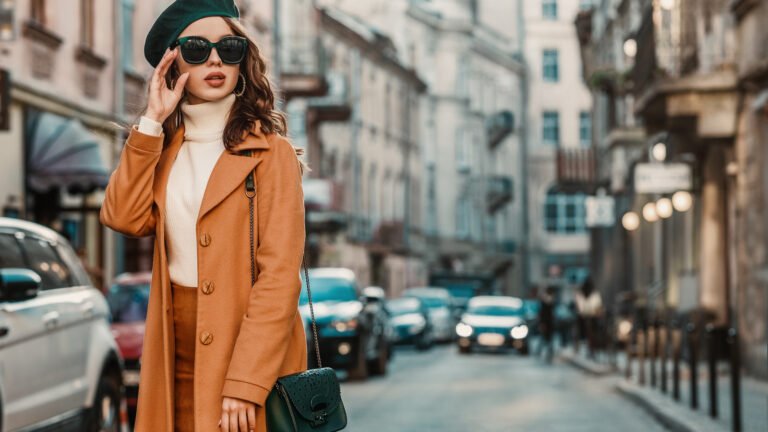
Fashion is far more than clothing — it’s a form of self-expression, a reflection of culture, and a constantly evolving art form that defines eras and identities. From ancient civilizations to modern runways, fashion has shaped societies and influenced how people perceive themselves and others. Whether it’s streetwear, haute couture, or sustainable design, fashion continues to play a vital role in shaping lifestyles and values worldwide.
The Evolution of Fashion
Fashion has a long and fascinating history that mirrors human progress. In ancient times, clothing was a sign of status, tribe, or profession. Egyptians wore linen to combat the heat, Romans draped themselves in togas, and medieval Europeans displayed wealth through elaborate gowns and fabrics like velvet and silk. Each period reflected the values, technology, and resources of its time.
The 20th century marked the most dramatic transformation in fashion history. The rise of industrialization and mass production made stylish clothing accessible to ordinary people. Each decade had a distinct identity — the roaring ’20s with flapper dresses, the elegant ’50s silhouettes, the rebellious ’70s, and the bold ’90s streetwear movement.
Today, fashion is more diverse and inclusive than ever, blending historical influences with innovation and digital creativity.
Fashion as Self-Expression
At its core, fashion allows people to communicate without words. The clothes we wear reflect who we are, how we feel, and even what we believe in. For many, fashion is a form of personal storytelling — a way to express confidence, creativity, and individuality.
Think of how people use color, texture, or accessories to define their mood or identity. A tailored suit might signal professionalism and power, while a flowing dress or graphic tee might represent freedom or rebellion. Fashion gives us the freedom to reinvent ourselves every day.
In recent years, social media has amplified this expression. Platforms like Instagram and TikTok have turned everyday users into influencers, democratizing style and giving rise to micro-trends that spread globally in days.
The Business and Influence of Fashion
Fashion is not only about art — it’s a trillion-dollar global industry employing millions worldwide. From luxury houses in Paris and Milan to emerging designers in Lagos and Seoul, the fashion economy thrives on creativity, craftsmanship, and innovation.
Fashion weeks, collaborations, and digital marketing campaigns have turned fashion into a powerful form of global communication. Celebrities and influencers can make or break trends overnight, while major brands continuously adapt to cultural shifts, consumer behavior, and technology.
The digital revolution has also reshaped shopping habits. E-commerce, AI-driven recommendations, and virtual fitting rooms are redefining how people engage with fashion. The metaverse and digital clothing collections are becoming the next frontier, blending technology with style.
Sustainability: The Future of Fashion
While fashion inspires beauty and creativity, it also faces criticism for its environmental impact. Fast fashion — characterized by cheap, disposable clothing — has led to excessive waste, pollution, and unethical labor practices.
Thankfully, sustainability is now at the heart of the modern fashion movement. Consumers and brands are becoming more aware of the importance of ethical sourcing, eco-friendly materials, and transparent supply chains. Thrifting, recycling, and upcycling have gained popularity as people seek ways to enjoy fashion responsibly.
Innovative designers are using organic fabrics, vegan leather, and recycled materials to reduce harm to the planet. The rise of “slow fashion” encourages mindful consumption — buying fewer but better-quality items that last longer.
Cultural Diversity in Fashion
Fashion also serves as a bridge between cultures. From Japanese kimonos to Indian sarees and African prints, traditional clothing continues to influence modern designs. Globalization has brought cultural fusion to fashion, allowing designers to experiment while celebrating heritage.
However, cultural appreciation must be handled with sensitivity. The industry is learning to balance inspiration with respect, ensuring that cultural symbols are honored rather than exploited.
Fashion and Technology: A New Era
Technology is revolutionizing how fashion is designed, produced, and experienced. 3D printing, AI-assisted design, and virtual reality fashion shows are redefining creativity. Consumers can now visualize outfits using augmented reality or buy digital-only garments for virtual platforms.
Fashion tech is not just futuristic — it’s practical. Smart fabrics that monitor health, adaptive clothing for people with disabilities, and on-demand manufacturing are transforming the industry into a more inclusive and innovative space.
Why Fashion Matters
Fashion might seem superficial to some, but it profoundly impacts how people live and connect. It shapes first impressions, boosts confidence, and often becomes a reflection of cultural identity. It’s a universal language that transcends borders, uniting people through creativity and aesthetics.
Ultimately, fashion tells the story of humanity — our values, dreams, and evolution.
FAQs About Fashion
1. What is the true meaning of fashion?
Fashion is the art and practice of expressing personality and culture through clothing, accessories, and style. It’s both a creative and social phenomenon.
2. How does fashion influence society?
Fashion shapes trends, impacts economies, and reflects social values. It often mirrors cultural shifts, political movements, and generational attitudes.
3. What are the current trends in fashion?
As of recent years, sustainability, gender-neutral clothing, vintage revival, and digital fashion experiences have dominated global trends.
4. What is fast fashion?
Fast fashion refers to inexpensive clothing produced rapidly to meet the latest trends. While affordable, it raises environmental and ethical concerns.
5. How can I develop my personal style?
Experiment with different looks, pay attention to what makes you feel confident, and invest in timeless pieces that reflect your personality rather than just trends.
6. Why is sustainable fashion important?
It helps reduce waste, protects the environment, and ensures fair treatment of workers. Sustainable fashion encourages mindful consumption and long-term value.
Final Thoughts
Fashion will always evolve, but its essence remains the same — a vibrant expression of who we are. Whether bold or minimalistic, traditional or futuristic, fashion continues to be one of humanity’s most powerful tools for creativity and communication.
