


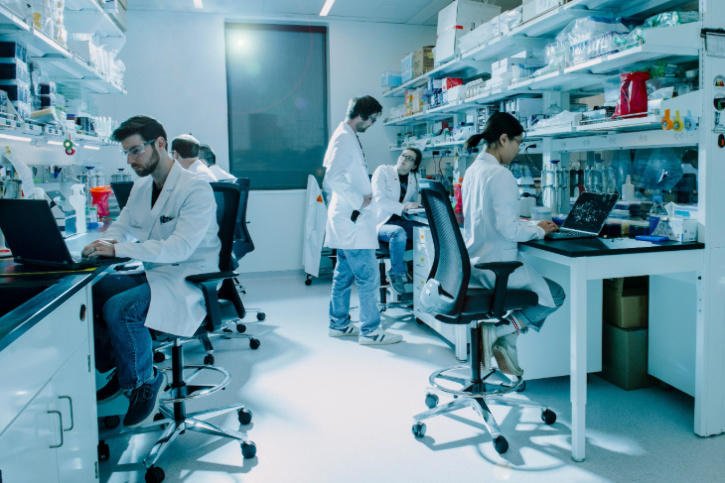
Treeline Biosciences is an innovative, clinical-stage biotechnology company dedicated to developing next-generation precision medicines for cancer and other serious diseases. Founded in 2021 by oncologists Josh Bilenker and Jeff Engelman, the company is headquartered in Watertown, Massachusetts. Despite being relatively young, Treeline has quickly distinguished itself in the crowded biotech space with a focus on bold, high-impact therapeutic strategies that aim to tackle historically “undruggable” targets.
Vision and Mission
Treeline’s mission is to create transformative medicines that address the underlying causes of disease rather than merely treating symptoms. The company’s philosophy emphasizes deep scientific understanding, selecting targets that are causally linked to disease, and developing drugs that engage these targets with precision. This approach is designed to maximize efficacy while minimizing side effects, which is especially critical in oncology where therapeutic windows can be narrow.
At its core, Treeline seeks to bridge cutting-edge biology with modern computational techniques. By integrating laboratory experiments with predictive models, the company accelerates drug discovery and reduces the uncertainty often associated with early-stage therapeutic development.
Approach to Drug Development
Treeline’s approach is distinctive for its integration of interdisciplinary expertise. The company combines traditional lab-based research—such as biochemistry, molecular biology, and protein science—with advanced computational methods including machine learning, predictive modeling, and automation of data workflows. This dual strategy allows the company to prioritize the most promising drug targets quickly and efficiently.
One of the defining principles of Treeline’s research is choosing drug modalities that best match the biology of the target. For some targets, small molecule inhibitors are ideal, while for others, protein degraders or antibody-drug conjugates may provide superior results. This flexibility enables Treeline to tailor each program specifically to the biological mechanism it seeks to address.
Pipeline and Programs
Treeline Biosciences has rapidly moved several programs into clinical trials. The company has made headlines for advancing three lead programs, each targeting difficult but high-value cancer targets.
The first, TLN-121, is a BCL6 protein degrader designed for B-cell and T-cell lymphomas. BCL6 is a protein that cancer cells exploit to survive and proliferate, making it a critical target for intervention. By degrading this protein rather than merely inhibiting it, TLN-121 has the potential to overcome limitations of traditional therapies, offering a more durable and selective treatment approach.
The second program, TLN-372, is a pan-KRAS inhibitor targeting multiple KRAS mutations in solid tumors. While some KRAS variants already have targeted therapies, many mutations remain challenging to drug. TLN-372 is designed to broaden the range of treatable KRAS-driven cancers, potentially addressing a significant unmet medical need.
The third program, TLN-254, is an EZH2 inhibitor intended for certain lymphomas, including peripheral and cutaneous T-cell lymphomas. EZH2 plays a role in epigenetic regulation, and its dysregulation contributes to tumor growth. Targeting EZH2 could provide meaningful clinical benefits for patients with these aggressive cancers.
Company Culture and Leadership
Treeline is led by individuals with deep experience in oncology and drug development. Co-founder Josh Bilenker previously co-founded Loxo Oncology, a company known for developing multiple FDA-approved therapies. Jeff Engelman, the company’s chief scientific officer, has extensive experience leading R&D teams in both academic and industry settings.
The company places a strong emphasis on in-house capabilities. By retaining critical research and development processes internally, Treeline ensures tight control over experimental design, data interpretation, and decision-making. This approach is thought to enhance the likelihood of success when pursuing complex or previously intractable targets.
Technological Integration
A hallmark of Treeline’s model is the seamless integration of computational tools with laboratory research. Their infrastructure allows for real-time data capture, predictive modeling, and iterative refinement of experiments. This computational backbone accelerates drug discovery and enables the company to explore innovative therapeutic strategies more efficiently than traditional methods alone.
By combining human expertise with machine learning, Treeline can analyze vast datasets, predict the most promising drug candidates, and optimize molecules for both efficacy and safety. This combination of speed, precision, and adaptability sets the company apart in the highly competitive biotech landscape.
FAQs About Treeline Biosciences
Q: What diseases does Treeline focus on?
A: Treeline primarily focuses on oncology, particularly cancers that involve hard-to-drug targets. The company’s approach may eventually extend to other serious conditions, including neurological and autoimmune diseases.
Q: How is Treeline funded?
A: The company has raised over a billion dollars in funding from investors. This financial backing allows Treeline to pursue ambitious research programs and advance multiple drugs into clinical trials simultaneously.
Q: What makes Treeline’s approach different?
A: Treeline uniquely combines deep biological expertise with advanced computational methods. Unlike many biotech companies, it builds in-house experimental and computational capabilities to ensure precise target engagement and efficient drug development.
Q: What are the clinical-stage programs at Treeline?
A: Treeline currently has three programs in Phase 1 clinical trials: TLN-121 (BCL6 degrader), TLN-372 (pan-KRAS inhibitor), and TLN-254 (EZH2 inhibitor).
Q: Why are their targets considered “hard to drug”?
A: Proteins like KRAS and BCL6 have been historically challenging due to their structure, intracellular location, or the difficulty of achieving therapeutic effects without toxicity. Treeline’s novel strategies, including protein degradation and targeted modulation, aim to overcome these challenges.
Q: Where is Treeline located?
A: Treeline’s primary headquarters and labs are located in Watertown, Massachusetts.
Q: Who leads the company?
A: The company was co-founded by Josh Bilenker, M.D., and Jeff Engelman, M.D., Ph.D., both of whom bring extensive experience in oncology and pharmaceutical development.
Conclusion
Treeline Biosciences represents a new wave of biotech innovation. By combining rigorous biological validation, flexible drug modalities, and cutting-edge computational tools, the company is tackling some of the most challenging cancer targets. With multiple programs already in clinical trials and strong financial support, Treeline is positioning itself as a long-term player capable of delivering transformative therapies. Its work has the potential not only to change the treatment landscape for difficult cancers but also to set new standards for how precision medicines are discovered and developed.
