


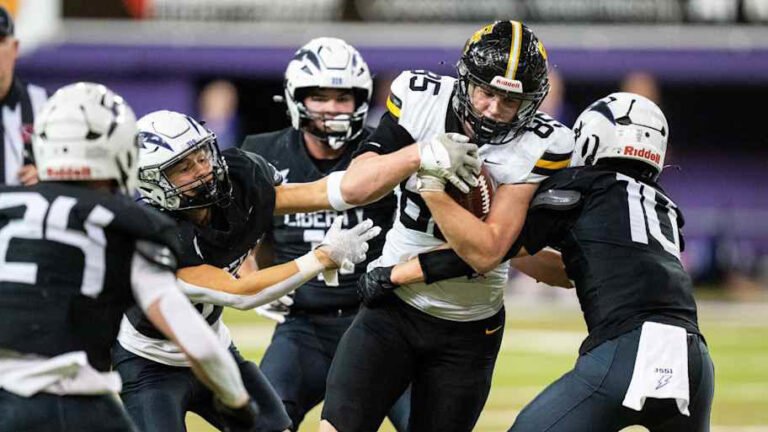
In an unexpected move, several high schools across Iowa have announced the cancellation of their football season. The decision has left students, parents, coaches, and fans grappling with disappointment and uncertainty. While high school football is a deeply rooted tradition in Iowa, concerns about student safety, budget constraints, and unforeseen circumstances have forced schools to reconsider this year’s schedule.
Reasons Behind the Cancellation
School administrators have cited multiple reasons for the cancellation. Primarily, health and safety concerns remain at the forefront. Rising illness rates, particularly during flu seasons or in the context of infectious outbreaks, have made it difficult to ensure a safe environment for student-athletes.
Another factor is budget limitations. Maintaining football programs requires significant funding for equipment, coaching staff, transportation, and facility upkeep. Some districts have faced reduced funding, prompting tough decisions about which extracurricular programs to prioritize.
Staffing shortages also play a role. Coaches and support staff are essential for organizing practices, games, and maintaining player safety. A shortage in qualified personnel makes it difficult to run a football season smoothly.
Impact on Students
For student-athletes, the cancellation is particularly disheartening. Football is not just a sport—it’s a social hub, a pathway for scholarships, and a source of community pride. Seniors hoping to showcase their talent for college recruiters may need to explore alternative avenues, such as attending camps, participating in virtual showcases, or playing club football if available.
Despite the setback, schools are emphasizing mental and physical well-being. Many are offering alternative sports programs, strength and conditioning sessions, or online skill development resources to keep students engaged and active.
Community Reaction
Communities in Iowa are known for their passionate support of high school football. Local fans, parents, and alumni often rally behind their teams, turning Friday nights into neighborhood events. The cancellation has prompted mixed reactions—some understand the safety concerns, while others express frustration at losing a cherished tradition.
Schools are attempting to maintain community engagement through virtual events, streaming past games, and organizing pep rallies or team recognitions online. These efforts aim to keep team spirit alive even in the absence of live games.
Alternatives and Next Steps
Schools that have canceled football are encouraging students to participate in other athletic programs such as soccer, track, or basketball. Additionally, many are looking ahead to the next season with hopes of reinstating football when conditions improve. Administrators emphasize that continued communication with families will be critical in planning future sports schedules.
Frequently Asked Questions (FAQs)
Q1: Why did Iowa high schools cancel football this season?
A: The main reasons include health and safety concerns, budget limitations, and staffing shortages. Schools prioritize the well-being of students and staff while ensuring programs are financially sustainable.
Q2: Are all Iowa high schools canceling football?
A: Not all schools are affected. Decisions vary by district depending on local circumstances, resources, and safety considerations. Parents and students should check with their specific school district for updates.
Q3: Will canceled games be rescheduled?
A: Currently, most canceled games will not be rescheduled this season. Schools are focusing on planning for future seasons and may offer alternative programs or training opportunities for student-athletes.
Q4: How can student-athletes stay in shape during the canceled season?
A: Schools suggest participating in individual workouts, strength training, skill development programs, and alternative sports. Some districts also provide virtual coaching sessions to maintain conditioning and technique.
Q5: What about college recruitment for seniors?
A: Seniors hoping to play in college should explore virtual showcases, online recruiting platforms, highlight reels, and attending off-season camps. Coaches often provide guidance to ensure athletes remain visible to recruiters despite the canceled season.
Q6: How is the community responding?
A: Reactions are mixed. Many understand the health and financial reasoning, while others are disappointed by the loss of a major community event. Schools are maintaining engagement through virtual events and online recognition for teams.
Q7: When might football return to Iowa high schools?
A: While timelines vary by district, administrators are optimistic about reinstating football in the next season when conditions are safer and resources are available. Updates will be provided through official school channels.
Conclusion
The cancellation of high school football in Iowa is a significant disruption, but schools are making decisions with safety, financial responsibility, and long-term planning in mind. While the loss of a season is disappointing for many, alternative programs, virtual engagement, and preparation for the next season can help students remain active and connected to their teams. Community support and creative solutions will play a vital role in maintaining the spirit of Iowa high school football until it safely returns.
