


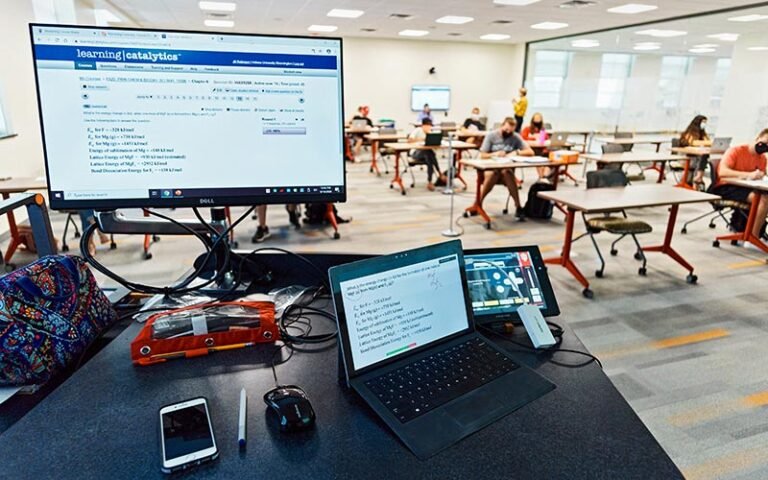
In today’s rapidly evolving educational landscape, technology plays a critical role in shaping effective teaching and learning. Instructional technology services refer to the professional support, tools, and strategies that help educators integrate technology into their teaching practices to enhance student engagement, learning outcomes, and administrative efficiency.
These services encompass a wide range of solutions, including digital learning platforms, multimedia resources, interactive whiteboards, learning management systems (LMS), online assessment tools, and professional development programs. They aim to bridge the gap between traditional teaching methods and modern digital learning environments, ensuring both teachers and students thrive in a tech-driven world.
Key Benefits of Instructional Technology Services
- Enhanced Student Engagement
Instructional technology services provide educators with tools to create interactive lessons, multimedia presentations, and gamified learning experiences. These methods can significantly increase student participation and motivation. - Personalized Learning
Technology allows teachers to tailor content to individual student needs. Adaptive learning software and LMS platforms help track progress and identify areas where students may need additional support. - Efficient Administrative Processes
Many instructional technology services include solutions for managing grades, attendance, assignments, and communication with students and parents. This reduces administrative workload and allows educators to focus more on teaching. - Professional Development for Educators
Effective technology integration requires ongoing training. Instructional technology services often include workshops, webinars, and coaching to help teachers stay updated with the latest tools and teaching strategies. - Accessibility and Inclusion
Modern instructional technologies support diverse learning styles and accommodate students with disabilities through assistive technologies, closed captions, and flexible content formats.
Common Instructional Technology Services
- Learning Management Systems (LMS): Platforms like Canvas, Moodle, or Blackboard streamline course management, assignments, and communication between students and teachers.
- Digital Content Development: Creation of e-learning modules, videos, simulations, and interactive resources.
- Classroom Technology Integration: Support for smartboards, tablets, and interactive projectors.
- Assessment Tools: Online quizzes, tests, and formative assessment software to track student learning.
- Technical Support & Maintenance: Ensuring hardware and software run smoothly, minimizing disruptions in teaching.
- Professional Development: Training educators to effectively use technology tools in instruction.
How Instructional Technology Services Transform Learning
Instructional technology services not only make learning more engaging but also help develop 21st-century skills. By leveraging technology, students learn collaboration, problem-solving, critical thinking, and digital literacy. Teachers, on the other hand, gain more tools to analyze learning outcomes, modify strategies, and provide timely feedback.
For example, virtual labs in science classes allow students to conduct experiments safely and cost-effectively. Similarly, language learning apps and interactive simulations can make abstract concepts tangible, helping learners grasp difficult subjects more easily.
Implementing Instructional Technology Services
Successful implementation of instructional technology services requires careful planning:
- Needs Assessment: Identify the needs of students and educators.
- Infrastructure Evaluation: Ensure reliable internet, devices, and technical support.
- Tool Selection: Choose technology solutions aligned with learning objectives.
- Training and Support: Provide professional development and ongoing assistance.
- Evaluation and Improvement: Continuously assess the impact on learning outcomes and make necessary adjustments.
By following these steps, educational institutions can maximize the benefits of instructional technology while minimizing potential challenges such as technical difficulties or resistance to change.
FAQs About Instructional Technology Services
Q1: What are instructional technology services?
Instructional technology services are professional solutions and tools designed to help educators integrate technology into teaching, improve learning outcomes, and streamline administrative tasks.
Q2: Who can benefit from these services?
Teachers, students, school administrators, and even corporate trainers can benefit. These services support learning, teaching efficiency, and overall educational quality.
Q3: How do instructional technology services improve student learning?
They provide interactive, personalized, and accessible learning experiences, enabling students to engage more deeply, learn at their own pace, and acquire critical digital skills.
Q4: Are these services only for schools?
No. Instructional technology services are also used in universities, vocational training centers, corporate training programs, and online education platforms.
Q5: What types of technology are typically included?
Common technologies include learning management systems, digital content creation tools, assessment platforms, classroom hardware like smartboards, and professional development software.
Q6: How much does it cost?
Costs vary depending on the services and tools used. Some solutions require subscription fees, while others may involve one-time software purchases or institutional contracts.
Q7: Do teachers need technical expertise to use these services?
Not necessarily. Instructional technology services often include training and support, ensuring educators can effectively use the tools without prior technical knowledge.
Q8: How can schools measure the effectiveness of these services?
Effectiveness can be measured through student engagement metrics, learning outcome improvements, teacher feedback, and overall efficiency in administrative processes.
Conclusion
Instructional technology services are transforming education by blending traditional teaching methods with innovative digital tools. They foster engagement, personalization, efficiency, and accessibility, equipping both educators and students with the skills needed for success in a technology-driven world. For any institution looking to enhance teaching and learning experiences, investing in instructional technology services is no longer optional—it’s essential.
