


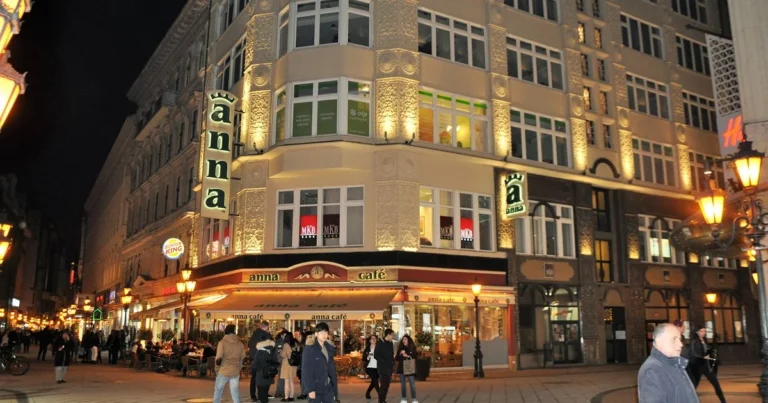
Every city has that one place where people gather not just to eat or shop but to feel alive — where the lights, laughter, and aromas mix into an atmosphere of energy and connection. That’s what MU Street represents. It’s more than just a name or location; it’s a lifestyle — a place where urban culture meets creativity, food, and community spirit.
Although “MU Street” doesn’t refer to one single, famous global location, the name has become symbolic of the modern street-culture movement emerging in many cities. Think of it as a trendy, walkable zone packed with local food stalls, pop-up boutiques, art installations, and the kind of friendly chaos that makes city life exciting. Whether you imagine it in Islamabad, Karachi, Lahore, London, or Kuala Lumpur — MU Street is wherever people come together to celebrate local talent and taste.
What Makes MU Street Special
At its heart, MU Street is about community and culture. It’s the kind of place where you can grab a spicy street taco, listen to a young band performing live, and chat with artisans selling handmade jewelry — all within a few steps. Unlike big shopping malls that feel polished but impersonal, MU Street thrives on raw energy, human connection, and spontaneity.
The “MU” could stand for anything: Modern Urban, My Universe, or even Market Unit. But the concept stays the same — a public space that’s open, creative, and full of life. Every city needs a place like this — where people can slow down, walk freely, explore, and experience the city’s heartbeat.
A Hub for Food Lovers
No street is complete without food, and MU Street would be heaven for foodies. From sizzling kebabs to fusion street food and bubble tea, the street could feature both traditional and experimental flavors. One stall might serve authentic Pakistani bun kebabs, while the next one offers Korean corn dogs or Japanese takoyaki. The goal isn’t just to feed people — it’s to bring cultures together through food.
Food vendors on MU Street wouldn’t need expensive setups. A well-designed kiosk, a few tables, and good hygiene are enough to make customers happy. The street food culture thrives on taste, personality, and storytelling — and MU Street would give small entrepreneurs a big stage.
The Vibe of MU Street
When you walk through MU Street, you’d instantly notice the vibe — vibrant lights hanging from rooftops, colorful murals on walls, and people from all walks of life enjoying their evening. The sound of music fills the air: maybe a guitarist playing on the corner, or a DJ spinning upbeat tracks during a weekend event.
You’d find local clothing brands showcasing urban streetwear, artists painting live, and small coffee shops serving locally roasted blends. The overall experience isn’t just commercial — it’s emotional. It’s about belonging to a living, breathing space that’s both authentic and exciting.
How MU Street Benefits a City
- Encourages Small Businesses: MU Street creates opportunities for vendors and local artists to grow without massive overhead costs.
- Boosts Tourism: Visitors love exploring authentic, culture-rich areas rather than just malls and hotels.
- Revives Urban Spaces: Converting unused or dull streets into creative zones revitalizes the city’s image.
- Builds Community: People connect better in open, friendly environments where art, food, and music coexist.
- Promotes Local Identity: Each MU Street can represent the flavor of its own city — local crafts, recipes, and traditions.
Imagine Islamabad’s MU Street being known for cozy chai spots and indie art; Karachi’s for seafood and graffiti culture; or Lahore’s for classical music corners and street theatre. The possibilities are endless.
Designing an MU Street
A successful MU Street blends creativity, accessibility, and sustainability.
Here’s what it would need:
- Pedestrian-first design: Wide walking paths, limited traffic, and clear signboards.
- Lighting and safety: Attractive lights that create a warm and safe atmosphere at night.
- Art and design: Murals, sculptures, or even digital art projections to make the area visually engaging.
- Green spaces: Planters, small trees, or vertical gardens to balance urban life with nature.
- Events and festivals: Weekly food fests, live concerts, art fairs, or open-mic nights to keep the energy alive.
- Waste management: Proper bins, recycling systems, and cleanliness measures to keep the area pleasant.
If cities collaborate with local entrepreneurs and artists, MU Street can become a self-sustaining ecosystem — one that brings joy to locals and attracts travelers.
Challenges and Solutions
Of course, creating such a street isn’t without challenges. Traffic congestion, cleanliness, and zoning laws can be major hurdles. However, these issues can be managed through proper planning:
- Assign specific hours for vendors.
- Designate vehicle-free times in the evening.
- Establish waste disposal partnerships.
- Encourage community volunteers for maintenance.
When local authorities and citizens work together, the result is not just a street — it’s a cultural landmark.
FAQs about MU Street
Q1: What does “MU” in MU Street stand for?
It can stand for many things — Modern Urban, Market Unit, or simply a catchy brand name. What matters more is the idea behind it: a modern space celebrating street culture and community.
Q2: Is MU Street a real place?
While there isn’t a globally famous street officially named MU Street yet, the concept reflects the growing popularity of creative, food-focused urban hangouts found worldwide.
Q3: What kind of businesses work best there?
Street food vendors, cafés, local clothing brands, artists, musicians, and pop-up shops all thrive in such environments.
Q4: Can cities in Pakistan create their own MU Street?
Absolutely! With proper planning, cities like Islamabad, Lahore, or Karachi could transform select zones into pedestrian-friendly streets promoting food, art, and tourism.
Q5: How can someone start a business there?
By getting vendor permits, maintaining quality, focusing on unique products, and joining community events that help attract customers.
Q6: Why do people love these streets?
Because they’re authentic, affordable, and full of life — places where every visit feels different and exciting.
Final Thoughts
MU Street is more than a destination — it’s a reflection of the new urban mindset. People today crave experiences, not just transactions. They want places that feel alive, inclusive, and expressive. Whether you’re sipping coffee at a street-side café or dancing under string lights at midnight, MU Street represents the freedom to enjoy city life in its purest form — creative, colorful, and connected.
